
Fencing and Security Integration in Colorado Springs
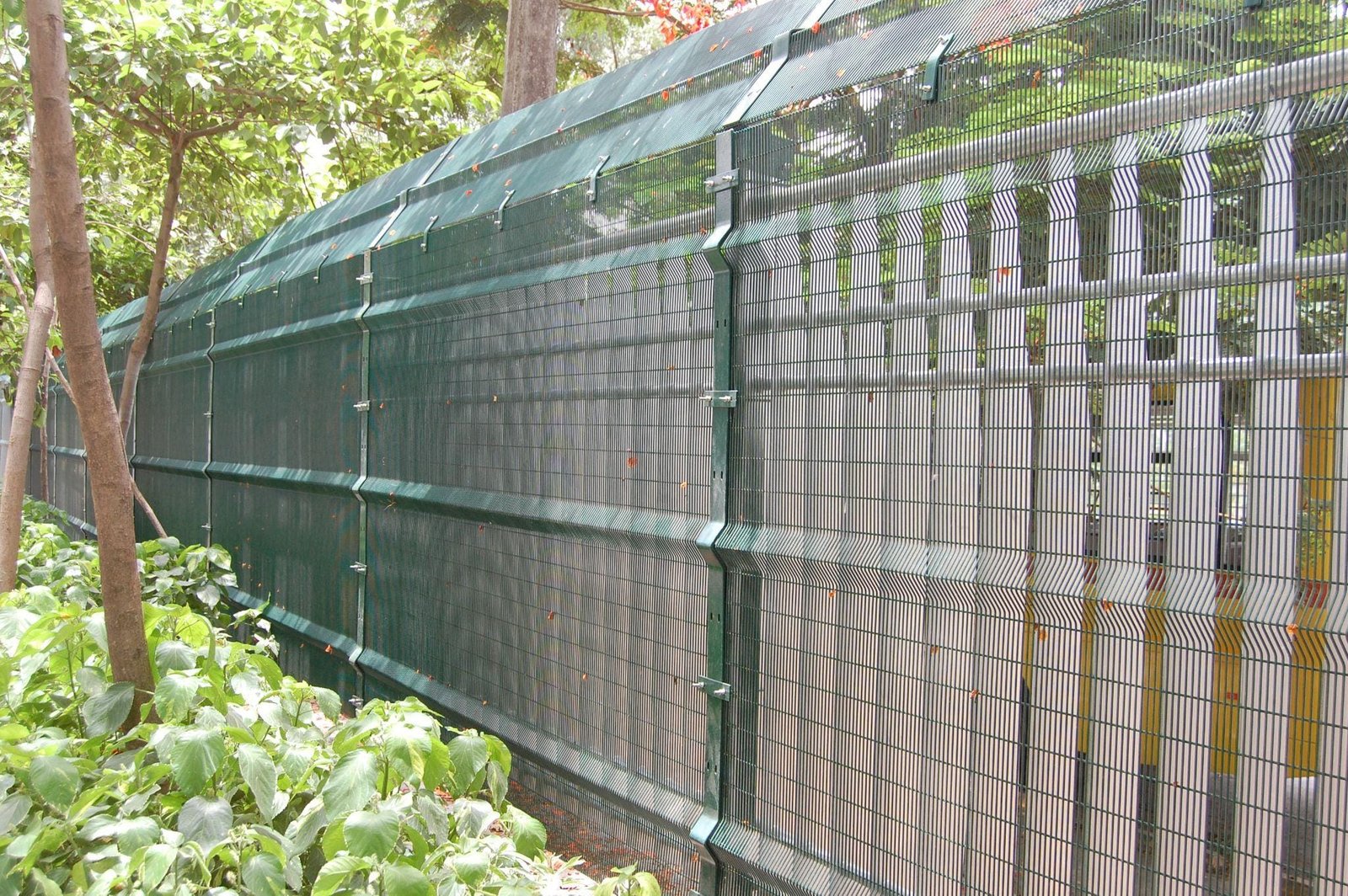
A fence on a secure industrial site is not a property marker. It is a system with a stated purpose: delay, detect, channel and record. A perimeter that is easy to climb, a gate that stalls a delivery or a camera pole that sways in the wind fails the owner in different ways, and each failure is expensive to fix after the pavement is down. We build fencing and the civil side of security integration so that the physical perimeter, the gates and the electronic systems are installed as one sequence.
The Colorado Springs metro has a high density of facilities where this matters. Peterson Space Force Base shares its airfield with the adjacent Colorado Springs Airport, and Fort Carson reports 4,638 buildings across 373,000 total acres. Those numbers describe the scale of perimeters in the region, and they shape the vendors, inspection habits and expectations that private industrial owners in the area encounter. Suppliers in the defense supply chain, electronics and aerospace, a group we serve under advanced manufacturing, often bring comparable requirements onto their own sites.
We do not discuss the facilities of others, and we do not need to know your mission to build your perimeter. We need the requirements: the fence height and type, the standoff distance, the number of gates, the vehicle and pedestrian counts and the systems that will be attached. From those we produce a buildable plan.
Controlled Access During Construction
Installing a perimeter is itself a security event. Gaps exist in the fence while it is being built, and crews, vehicles and materials cross the line repeatedly. We keep a temporary barrier in place wherever the permanent one is open, control construction gates with a log, and close each section each evening so the site is never left open for the night.
For facilities that hold controlled items or sensitive operations, we coordinate badging, escort and photography rules with the owner's security lead before mobilization. Subcontractors are briefed on these rules, and we keep a roster of who is on site each day. If a crew member cannot be cleared for an area, we reassign the work without disrupting the schedule.
Building the Perimeter in the Right Order
The order matters more than the speed. Survey and layout come first, then clearing of the fence line, then footings or posts, then the fence fabric, then gates and operators, then cameras, lighting and access control devices. Conduit runs to every gate and pole are placed before paving or concrete work, so no one has to cut a new drive lane to power a reader.
We also set the gate aprons, the vehicle queue length and the turn radii against the actual trucks that will use them, a detail that is easy to miss on the drawings. The gate operator pad and loop detectors are coordinated with the site concrete work, and the camera and lighting power is routed with yard lighting and electrical site work so the two systems share trenches.
What the Perimeter Package Contains
Fence types range from chain link with outriggers and barbed or razor wire where permitted, to ornamental steel, anti-climb mesh and precast walls. Gates are swing, cantilever slide or rolling, with operators, safety edges, loops, intercoms and card or code readers. We install vehicle barriers, bollards, crash-rated elements where the design requires them, and the foundations for camera and light poles.
Where the site includes a guard house or visitor screening position, we build the pad, the utilities and the driving lane geometry so a vehicle can be stopped, inspected and cleared without backing up traffic onto a public road. Each element is documented on the as-built drawing with its manufacturer data and warranty terms.
Facilities That Need a Defined Perimeter
The demand for controlled perimeters comes from several kinds of buildings. A manufacturing plant that works on regulated components, a data center that houses customer equipment and a hangar next to an airfield each need a different level of protection, and we scale the package to match.
The airfield side is specific, and it matters most for any hangar. Colorado Springs Airport is city-owned and has three paved runways, the longest being 17L/35R at 13,500 feet. Facilities near an active airfield must consider height limits, lighting that does not distract pilots and fence lines that do not interfere with airfield operations. We confirm those restrictions with the airport and the owner before design is final.
Permits and Jurisdiction
Fence height, setbacks, sight triangles at driveways and gate stacking are controlled by local zoning and site development rules, and electrical devices fall under the electrical permit. Within the Pikes Peak Regional Building Code area, which includes Colorado Springs, Fountain and Monument, the Pikes Peak Regional Building Department reviews structures such as retaining walls and guard houses.
Fire access is a recurring review item. Gates must allow emergency vehicles to enter, so we incorporate approved lock boxes, emergency operators or keypad overrides and confirm them with the fire authority. We prepare the permit set with those details already shown so review is faster.
Schedule and Lead Times
Gate operators, crash-rated barriers and access control hardware can have longer lead times than the fence itself. We order these items early and track them against the paving date, since a missing operator on the day the lane is paved means a saw cut later. Fence and gate installation is typically completed late in the site work, after heavy equipment has finished and before the final inspection.
Where an existing perimeter must stay intact, we cut over in short sections and tie the new fence into the old one the same day, leaving no overnight gap.
Define the Perimeter Before Paving
Send the security plan or the requirements list, and we will return a sequenced perimeter package covering fence, gates, conduit and foundations.
Common Questions
Can you build a perimeter to a specific standard if we provide it?
Yes. Give us the standard, the drawings or the security plan, and we build to them. We review the documents for conflicts with zoning, fire access or site conditions and raise any issue in writing before pricing is final. We do not alter a requirement without your approval.
How do you keep the site secure while the fence is being built?
We keep a temporary barrier at any open section, run construction gates under a log and close each segment at the end of the day. Material and tools are stored inside the secured area. For sensitive sites, we coordinate with your security lead on additional measures.
What gate type works best for heavy truck traffic?
Cantilever slide gates handle truck traffic well because they do not swing across the lane and can be sized for wide openings. Swing gates need clear space to open and are slower to cycle. The choice depends on queue length, available space and local snow conditions.
How does snow affect gates and fencing?
Snow drift against solid gates and fence fabric loads them heavily, and ice can jam slide tracks. We specify heated or elevated tracks where needed and keep snow storage areas away from gate paths. Operators are chosen for cold-weather operation at altitude.
Do you coordinate with the owner's security integrator?
Yes. We build the conduit, power and foundations, and the integrator installs the devices. We hold a coordination meeting before trenching so both parties agree on locations and cable routes.