
Yard Lighting and Electrical Site Work in Colorado Springs
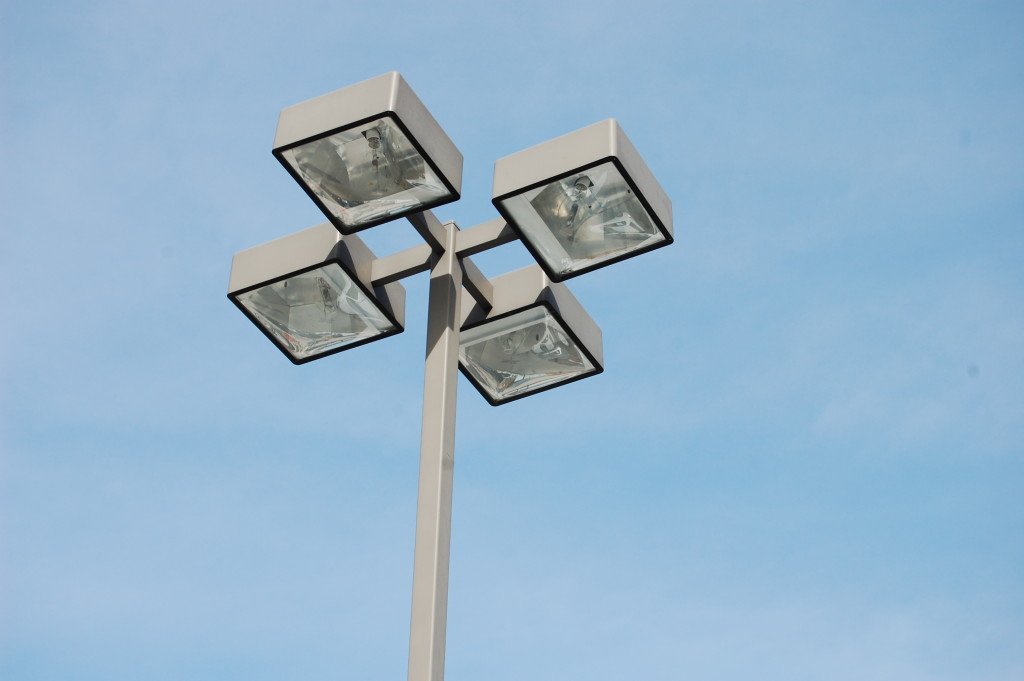
Light poles, duct banks and switchgear are easy to underestimate because they sit under the paving, behind the fence and inside the schedule float. They are also what lets a yard operate after dark, a gate camera see a plate and a security officer read a badge. We build yard lighting and the electrical site work that feeds it: trenching, conduit, pull boxes, pole foundations, transformers pads, controls and the final energized system.
The utility side of the metro is moving quickly. On June 13, 2025, Colorado Springs Utilities and the airport signed an agreement to build electric, gas, water and wastewater infrastructure for Peak Innovation Park, including a transmission framework of up to 600 megawatts and a new high-voltage substation, with the airport expecting to invest about $58 million and Utilities $165 million. For a tenant planning around that campus, power is no longer the unknown it once was, and our site electrical work is designed to connect to it when the service point is ready. We describe the park in more detail under our Colorado Springs Airport page.
Our approach is to treat the lighting and electrical scope as a coordinated trade package rather than a collection of afterthoughts. Conduit is sleeved before paving, poles are set in poured bases that match the pavement elevations, and the lighting layout is checked against fence lines, camera sightlines and tree or building shadows before a single fixture is ordered.
Energy Code, Electrical Edition and Review
Colorado HB22-1362 requires any county or municipality that updates a building code on or after July 1, 2023 to adopt an energy code with equivalent or better performance than the 2021 IECC and the state model electric and solar ready code, and from July 1, 2026 the benchmark becomes the state model low energy and carbon code. For exterior lighting, that means efficient fixtures, controls and in many cases dimming or scheduling, which we design into the system instead of adding afterward.
Colorado Springs, Fountain and Monument each adopted the 2023 Pikes Peak Regional Building Code, which carries the 2021 International Building Code and is enforced by the Pikes Peak Regional Building Department. Electrical permits and inspections follow the edition the department enforces, and we coordinate rough-in and final inspections with the licensed electrical contractor on the job.
What the Electrical Site Package Covers
Typical scope runs from the service point to the last fixture. That includes trenching and conduit, concrete-encased duct banks where required, pull boxes, grounding, pole bases, pole and fixture installation, wiring to cameras, gates and access control, panel and transformer pads, and the commissioning of lighting controls. Underground work that crosses a drive lane is encased and marked so a future crew does not cut it.
We deliver an as-built drawing with surveyed locations of every pull box and conduit run, which is the document a facility manager will want in five years. Heavier primary-voltage runs are covered under our electrical duct bank and underground service, and we coordinate the two so the site has one consistent set of drawings.
Lighting That Serves Security, and Dark Skies
For a secured facility, the lighting plan is part of the security plan. Illumination at the fence line, the gate and the vehicle inspection point is set to give cameras a usable image and officers a safe approach, and the layout is coordinated with the fencing and security integration package. We avoid glare toward adjoining property and neighboring roads, and we use fixtures that direct light downward.
Construction safety follows the same discipline. Energized lines are located and marked before trenching, de-energized work is locked out and tagged, and pole setting near overhead lines is planned with the utility. Wind at pole-setting height is monitored, because a tall pole swinging in a Front Range gust is a hazard that no schedule justifies.
Coordinating With the Utility and the Paving
The utility sets the service point, the transformer location and the energization date, and those three items often decide when the yard can open. We request service early, submit the load letter as soon as the design allows and track the utility's work orders. When the service date is uncertain, we plan a temporary power arrangement so security systems and lighting for deliveries are not held back.
Inside the site, the sequence matters. Duct banks go in before base rock, pole foundations before the paving machine arrives for a stabilized parking lot and fixtures after the final grading so poles are not knocked during earthwork. That order avoids saw cuts through new pavement, which are expensive and leave scars.
Operations That Depend on Yard Electrical
Distribution operations running two or three shifts need reliable lighting across the trailer yard and the dock approach, a need we meet for operators in logistics and distribution. Manufacturing plants, particularly advanced manufacturing sites with controlled entry, add camera power, gate operators and vehicle barriers. Utility yards and substations bring their own clearances and grounding requirements.
The common thread is a facility that cannot stop for a lighting failure, so we favor accessible pull boxes, labeled conduit and standardized fixtures that maintenance staff can service without special equipment.
Coordinate Power and Lighting Early
Send us the site plan and the utility service letter, and we will lay out the conduit, pole bases and sequencing around your paving schedule.
Common Questions
Does the lighting design need to be stamped or reviewed?
Exterior lighting is usually included in the electrical permit, and a lighting plan with photometric calculations is a common requirement at plan review. We coordinate with the owner's engineer, who provides the stamped design, and we build to it. Where the review authority asks for changes, we price them promptly.
How do you protect conduit under truck traffic?
We bury conduit at the depth the code requires, encase it where it crosses drive lanes and use warning tape or marking above the encasement. The pull boxes in traffic areas are rated for the wheel loads they will see. These details are noted on the as-built drawing.
What if the utility cannot energize on our date?
We plan temporary power for security and lighting, or phase the yard so the portions that need power open last. We also track the utility's work orders weekly so the owner sees any slip early. The goal is that a missing transformer never closes a loading yard.
Can lighting be added to an existing yard without repaving?
Often yes. Trenching can be done along edges, or directional boring can pass under existing paving to avoid cutting it. We survey existing utilities first and choose the least disruptive route for the owner's operation.
Do you handle controls and cameras?
We install the conduit, power and foundations for controls, gate operators and cameras, and coordinate with the owner's security integrator on the devices themselves. This keeps the electrical site work and the security system working from the same drawings.