
Utility and Power Infrastructure Construction in the Colorado Springs Metro
About 3,375 acres burned severely enough in the 2012 Waldo Canyon Fire to raise the risk of debris flows onto US 24 and into neighborhoods for at least ten years, and the Forest Service, Colorado Springs Utilities and the city together spent roughly $19 million on mitigation. Anyone building power, water or gas infrastructure west of the city learns from that history: slopes, culverts and drainage are part of the electrical design. We build for utilities, cooperatives and large power users with that lesson in hand.
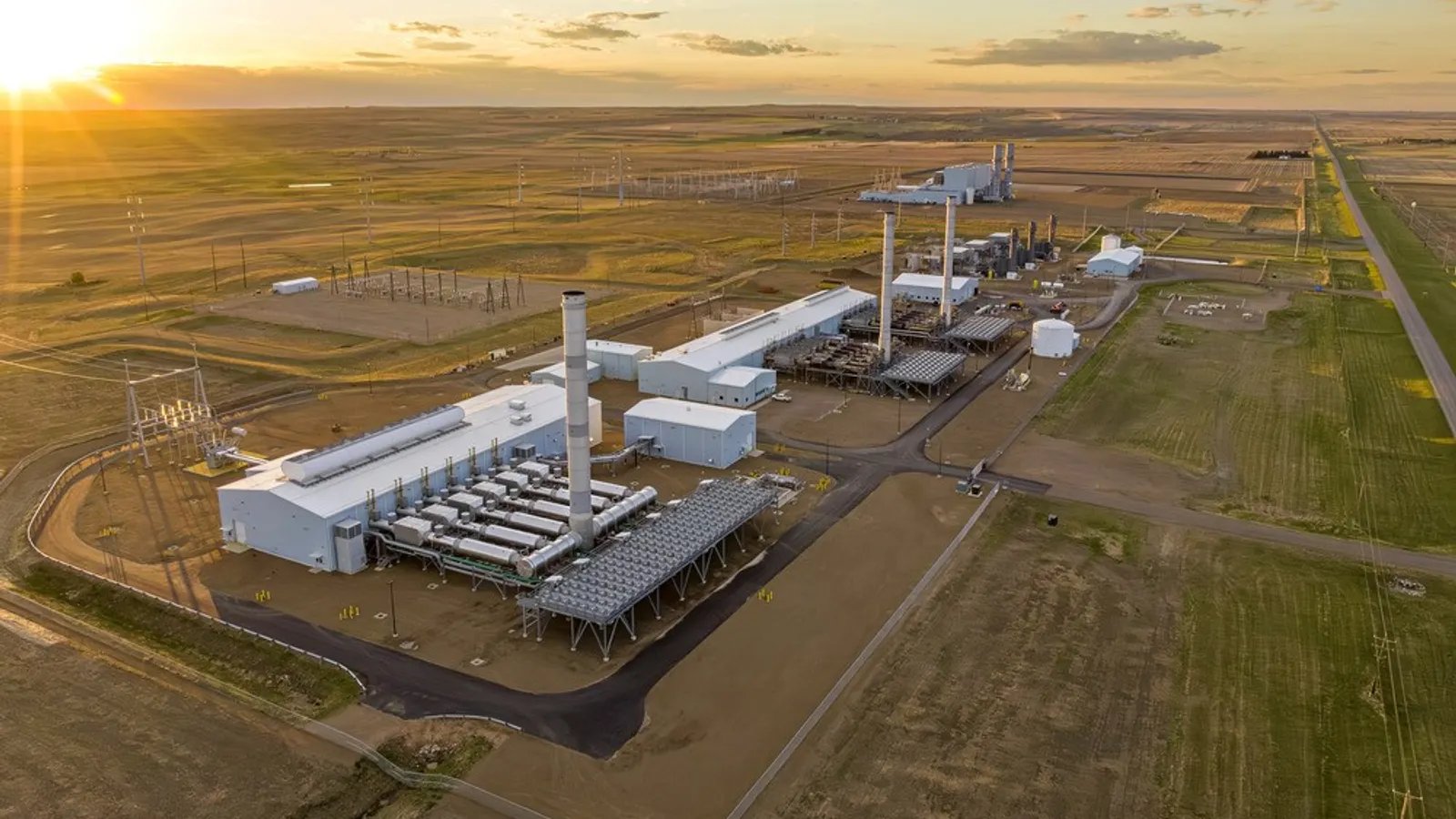
The work includes substation pads and control buildings, duct banks and vaults, generator and switchgear enclosures, maintenance yards, access roads and the fencing and lighting around them. Owners range from public utility departments and rural cooperatives to private developers who must provide their own interconnection. We bring structure, concrete and civil work to each, and we respect the utility's own standards and outage rules.
Infrastructure projects are rarely glamorous and almost never forgiving. A transformer pad that settles an inch can strain bushings and bus connections. A duct bank that is poorly compacted will break pavement for years. We aim to leave nothing behind but a record that shows how each element was built.
What is driving power work here
The airport district is the most visible example. On June 13, 2025 Colorado Springs Utilities and the airport signed an agreement to build electric, gas, water and wastewater infrastructure for Peak Innovation Park, including a transmission framework of up to 600 megawatts and a new high-voltage substation. The airport expects to invest about $58 million and the utility $165 million. A framework of that size requires site work, foundations, duct banks and buildings in a sequence that matches energization.
Beyond the airport, growth along the eastern and northern edges of the city and in the foothills keeps distribution crews busy. In Teller County, IREA, the area's main electric utility, is based in Woodland Park, and the city of Woodland Park at 8,481 feet shows how mountain service territories differ from the plains: steeper access, deeper frost and more snow load.
Work we manage most closely
We schedule and inspect the excavation and placement of the foundations, pads and below-grade structures that electrical equipment depends on. For a transformer, that means a reinforced pad with oil containment, conduit stub-ups at tolerance and a properly compacted base. For a switchyard, it means drilled or spread foundations for structures, grounding grid trenches and a surface of crushed rock graded for step and touch potential.
Duct banks are a specialty. We build concrete-encased banks with spacers, spare conduits and warning tape, and we pour manholes and vaults in place or set precast units with sealed joints. See how our electrical duct bank and underground work is documented, and how the scope supports site utilities packages that combine water, sewer, gas and conduit in a shared trench.
Energized neighbors and outage windows
Many projects are built next to energized equipment. We follow utility clearance procedures, use spotters near overhead lines, locate and expose buried facilities by hand, and brief every crew on the specific hazards of the day. Outages are scarce, so tie-ins are rehearsed and scheduled with the utility's operations staff. If a window is lost to weather, the work is re-planned rather than rushed.
Public safety matters as well. Open trenches, equipment laydown and temporary fences are controlled to protect neighbors, and traffic control plans are submitted to the road authority. Work in or near flood-prone channels includes monitoring of rain forecasts, with materials and equipment moved out of low areas when a storm approaches.
From the plains to the mountains
Our reach covers the Colorado Springs metro and the surrounding communities, including the Fountain Creek valley, where the creek runs alongside Interstate 25 from about exit 119 through Widefield, and the foothills toward the Garden of the Gods Road corridor, where the Waldo Canyon burn scar still affects drainage design. We understand how access, soils and weather differ across these zones.
Mountain sites are slower and cost more because of haul distance, steep access and shorter working seasons. Plains sites are easier to reach but may face wide drainage ways and expansive soils. We say which applies to your parcel and price it that way.
Drainage, soils and long-term durability
Utility facilities have long service lives, so the details that matter are the ones that prevent slow failure. We install geotextiles and drainage under pads, size culverts for burn-scar and creek flows, armor outlets, and compact backfill in thin lifts with density tests. Our approach to stormwater detention and drainage for utility sites protects the equipment during intense storms.
Owners of large loads, such as data centers and heavy industry, often need a private substation or customer-owned switchyard. We coordinate with the serving utility on its standards, witness testing and acceptance, and give the owner a clear sequence from pad to energization.
Review paths for utility and customer-owned work
Buildings associated with power facilities, such as control houses and maintenance shops, are reviewed under the 2023 Pikes Peak Regional Building Code, with the Pikes Peak Regional Building Department enforcing it in Colorado Springs and several surrounding jurisdictions. The code carries the 2021 International Building Code. Colorado law under HB22-1362 sets energy performance for conditioned buildings, including control rooms.
Utility-owned electrical equipment follows the owner's own standards, and county, city and state agencies handle drainage, floodplain and land use review. For public owners, public procurement rules shape the bidding process, and our government and municipal work follows the same discipline. We keep a register of approvals so that nothing is missed.
Send the one-line diagram and the date
Share the equipment list, the energization target and the site. We will return a foundation and civil scope, a schedule matched to outage windows and a budget range.
Common Questions
How do you protect equipment pads from drainage and burn-scar runoff?
We start with a hydrology review and place pads above expected flow paths. Drains, culverts, swales and armor are sized for storm intensity, and we avoid concentrating flow near equipment. In burn scar areas we use larger conservative flows and sediment-tolerant designs. Inspections after major storms are included in many maintenance plans.
Can you work with the utility's own design standards?
Yes. Utility standards come first. We build to their drawings, use approved materials, schedule their inspectors and document testing. When the owner is a private developer building toward an interconnection, we coordinate early with the utility to avoid rework.
What changes for mountain sites such as Woodland Park?
Access, weather and haul distance. Roads can be narrow or steep, snow limits winter work and frost depths are greater at 8,481 feet. We stage materials, plan for shorter working seasons and add time to pours and backfill. Costs are higher than on a flat site, and we say so up front.
How long before a large power user can energize?
The utility process often controls the date. Engineering, equipment delivery and outage scheduling can take longer than site work. The airport district agreement shows the scale of planning a 600 megawatt framework requires. We help owners map the whole sequence so that site and building work are ready when power is.