
Heavy Industrial and Mine-Support Construction in Cripple Creek
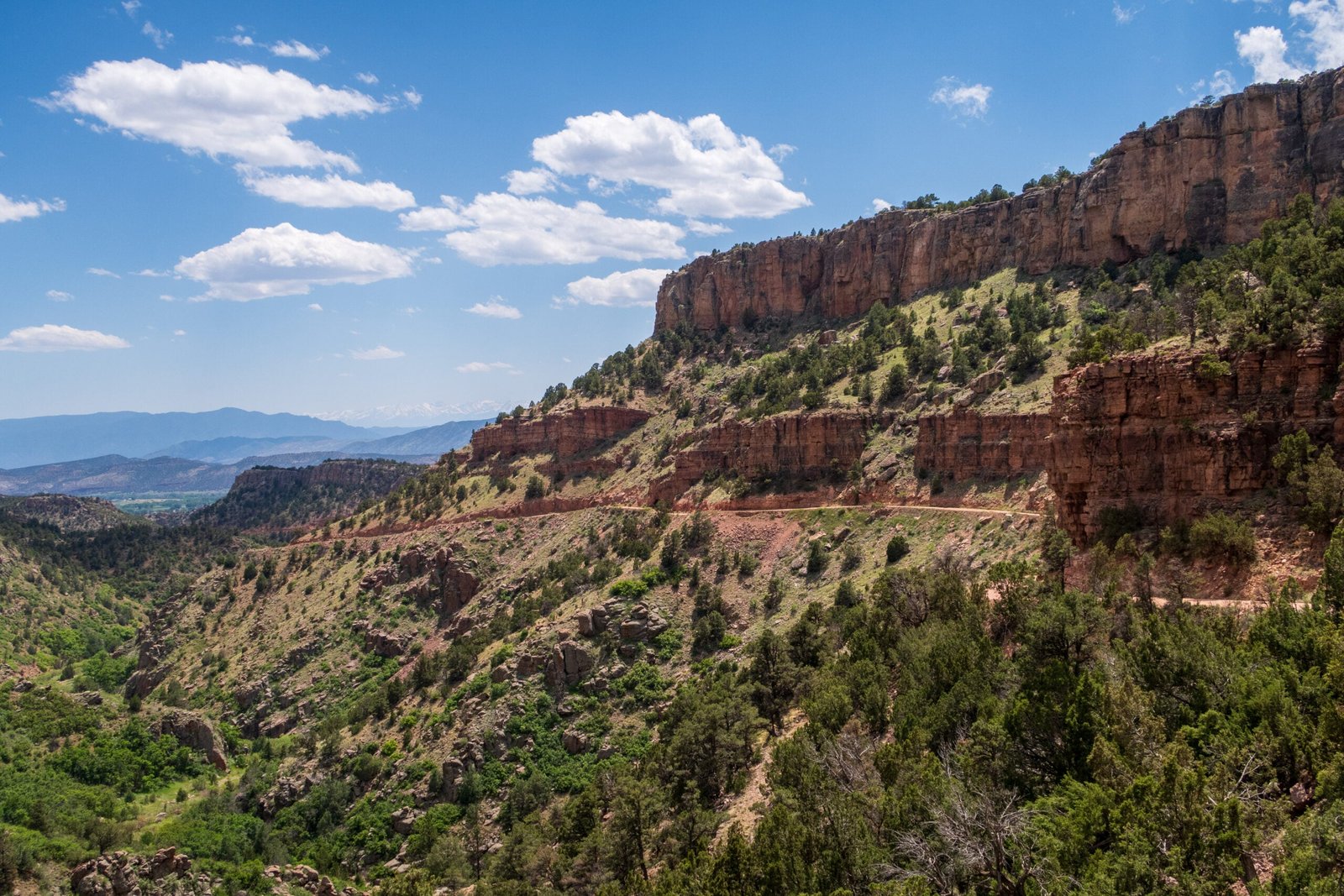
Heavy equipment, long haul roads and a 9,456-foot elevation define industrial construction around Cripple Creek, and we build for all three. Operators in mining, aggregate, utilities and the services that surround them need maintenance shops sized for large haul vehicles, laydown yards that bear heavy loads, equipment pads that hold rotating machinery and access roads that stay open through a mountain winter. That is the scope we bring to Teller County.
Cripple Creek is the Teller County seat, about 20 miles southwest of Colorado Springs near the base of Pikes Peak, with 1,155 residents at the 2020 census. A town of that size supports a very large operating footprint beyond its limits. Its work force, its suppliers and its vehicles move along a short road network, and any construction project must account for it. We schedule deliveries to avoid peak movements and coordinate lane closures with the agencies in charge.
Our conversations with owners stay on facility requirements: tonnage, clearances, power, drainage and winter access. We do not ask about operations beyond what the design needs, and we expect the same discretion from our subcontractors.
Heavy Civil Capability at Altitude
Our core capability here is earthwork and concrete on difficult ground. We schedule and inspect excavation, rock handling, compaction, base preparation, formwork, rebar and concrete placement, and we plan the equipment and operators the work needs. At 9,456 feet, thin air reduces engine power and cold shortens the placement season, so we plan for lower productivity, additional heat and more frequent maintenance. Those adjustments are priced into the schedule and not discovered during construction.
We apply the same discipline to access. A heavy haul access road needs a base thick enough for loaded axles, a profile that sheds water and snow-removal planning from the start. We design cross slopes, culverts and turnouts, build the roadbed in lifts with testing and leave maintenance recommendations for the owner. Snow storage areas, plow turnarounds and sand or deicer handling are located on the plan so crews can keep the road open without damaging drainage structures or the pavement edge.
Mining, Casino and Historic Constraints
The Cripple Creek and Victor Gold Mine is an open-pit heap leach operation in Teller County, and it changed ownership in December 2024. The mine produced 322,000 troy ounces of gold in 2019 and reported 3.45 million ounces of proven and probable reserves as of December 31, 2019. We cite these figures only to show the scale of the operation around the town. Work supporting an operation like this often involves containment, spill control, wash bays and heavy-vehicle shops, each with its own environmental review.
The town itself has a different character. Colorado voters approved legalized gambling in 1991, and Cripple Creek casinos occupy many historic buildings. Teller County also includes the Cripple Creek National Historic District, Florissant Fossil Beds National Monument, Pike National Forest and Mueller State Park. Industrial projects near those places must manage dust, noise, lighting and truck routes with care. We avoid the historic core for staging, schedule noisy work in daytime hours and keep haul routes away from visitor traffic. Where a building sits within the historic fabric, we review exterior materials, signage and lighting with the owner and the review body in advance, and we document existing conditions with photographs and survey before the first excavator arrives.
Operators We Plan For
Mining support is the obvious customer, but the buildings we plan serve a wider group. Metals and heavy industry clients need maintenance bays, tire shops, parts warehouses and welding areas. Utility operators need substations, switchyards and storage. Utilities and power work in mountain terrain demands foundations that handle frost, wind and difficult access.
The county's resident population was 24,710 in 2020, so local service businesses are also part of the market: fuel suppliers, repair shops, equipment dealers and contractors. Their needs are often more modest than the mine's, but their buildings face the same weather, and owners who also work in Green Mountain Falls or the wider Colorado Springs market can share crews and vendors across sites. We also work in nearby Woodland Park, which helps owners who serve both towns coordinate crews.
A Short Season and a Long Supply Line
Concrete and earthwork in the Cripple Creek area are practical from late spring to early autumn, with careful planning permitting extension on either side. We start site work as soon as ground conditions allow, set foundations early and aim to enclose the building before the first hard freeze. Laydown space is limited in town, so deliveries are called to the site as needed.
Supply lines are long. Steel, rebar and ready-mix must be ordered with extra lead time, and plant availability can vary with the season. We keep a procurement log and a contingency plan for each critical placement. Stabilized laydown yards are built first on larger projects, so that materials, equipment and crews have a dry, firm area from the first day.
Where Cost Concentrates in Mountain Industrial Work
Earthwork, rock, drainage and winter protection form the largest variable costs. We ask for geotechnical data early and price ground conditions with ranges. Foundations for heavy equipment, such as crushers, conveyors or compressors, can be a major line item, and an accurate load schedule from the equipment supplier is the best way to control it. See our equipment pads and foundations scope for how we organize that work.
Other drivers include power service, fire protection and environmental controls. Remote sites may need generators or line extensions. Wash bays, oil-water separators and secondary containment add structure and paving. We list them separately so the owner can see their effect, and we recommend options that reduce lifecycle cost, such as concrete pavement in high-wear zones, insulated slabs in heated bays and a snow-shedding roof profile that keeps loads manageable.
Plan Your Cripple Creek Facility
Tell us the equipment, the loads and the date you need to be in service. We will outline the ground work, winter plan and cost drivers in plain terms. Our preconstruction services are the best first step.
Common Questions
Can you build shops sized for large haul trucks?
Yes. Bay height, door size, crane or hoist capacity and slab strength are set from the vehicle dimensions and weights you provide. We also plan wash areas and drainage for the heavy use these buildings receive.
How does 9,456 feet change a project?
It reduces equipment performance, shortens the concrete season and raises heating costs. We plan the schedule and budget for those effects and protect work in cold weather.
Do you work near the historic district?
We do, with attention to noise, dust, lighting and traffic. Staging stays outside sensitive areas and deliveries follow agreed routes and hours.
What information do you need for an equipment pad?
The equipment weight, dynamic loads, anchor bolt layout, vibration limits and soil data. With those we design the foundation, specify the mix and coordinate installation.
How soon can we begin?
After a scope review, geotechnical information and permits. We discuss the sequence and the first season of work early so the project can start as soon as conditions permit.