
Stabilized Laydown Yards in Colorado Springs
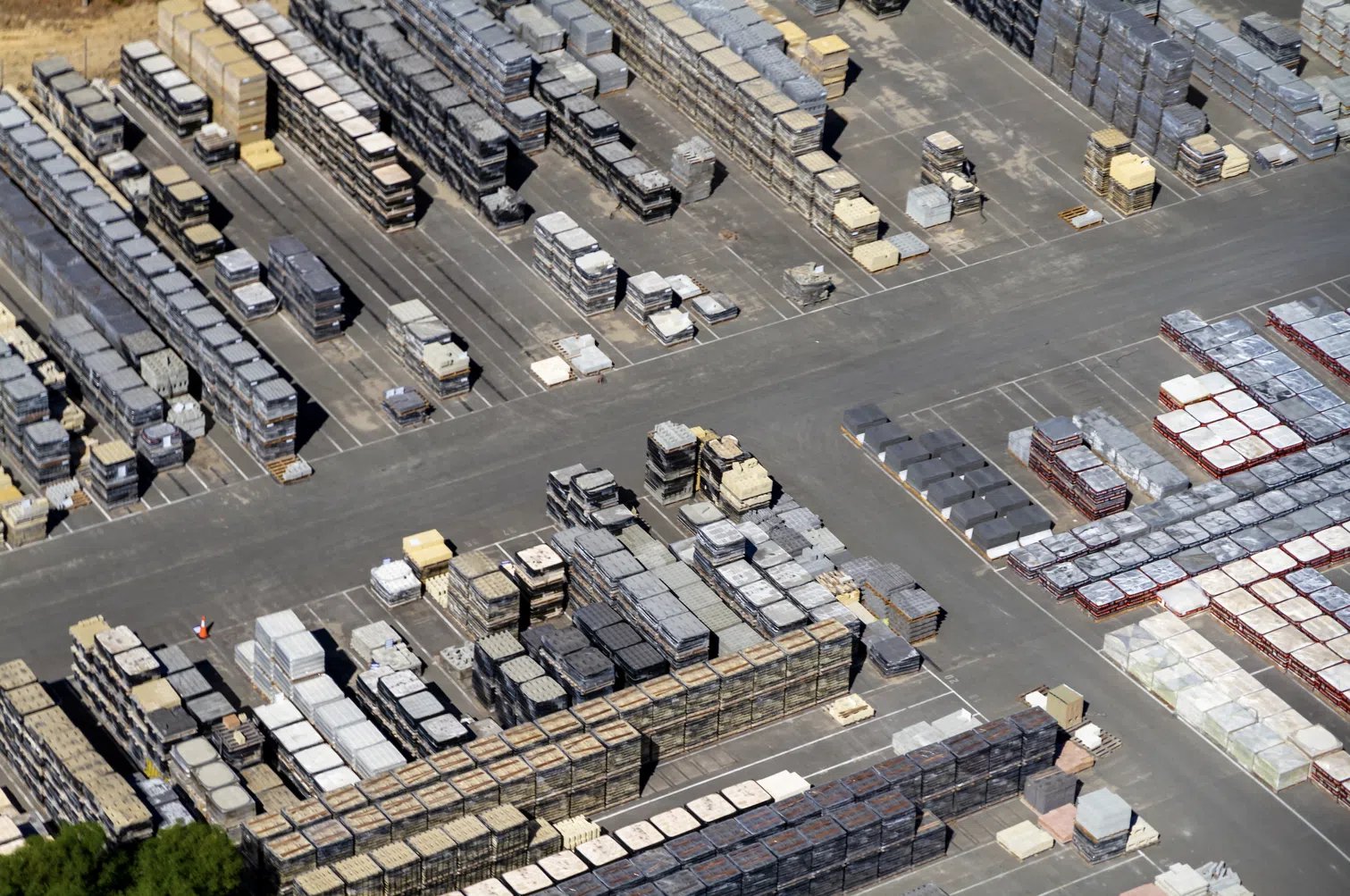
A structural steel package, a stack of precast panels or a row of process skids has to sit somewhere for weeks before it goes into the structure, and on a foothill site along the Front Range that somewhere is seldom flat, dry or load-bearing by default. We build stabilized laydown yards that carry crane traffic, delivery trucks and stored material from the first week of mobilization, so the schedule never waits on a soft pad or a rutted haul lane.
The Colorado Springs metro keeps producing work that needs this kind of staging. Peak Innovation Park, the 1,600-acre master-planned business park at the airport, carries a long-term plan of 10 to 15 million additional square feet over 20 to 30 years. Ground at that scale is developed in pieces, and the yard serving the first building usually has to be reused, relocated or removed for the next one. We plan with that in mind, and the airport side of the market is one we cover in detail on our Colorado Springs Airport page.
Because many of the facilities we serve have access rules, we lay the yard out against the delivery sequence, the crane path and the site boundary together. Storage zones stay separated from active work, vehicles enter through a single logged gate, and the surface is built to the load the equipment will actually place on it. The same discipline applies to the heavy-haul access roads that feed the yard.
How We Build the Yard Before the Foundations Start
We stake the yard only after the geotechnical report is in hand and the heaviest planned lift is known. Topsoil and organic material come off, the subgrade is proof-rolled, and soft areas are corrected before any stone is placed. Where the report calls for it, a geotextile separates the subgrade from the aggregate so fines do not migrate upward after the first wet spring.
Base depth is set by the loads, not by a habit. A pad that will hold a crawler crane is built differently from a lane that only sees flatbeds, and we show the difference on the plan so the superintendent knows where a crane may travel. Early rough grading is handled through our site clearing and mass grading work so the yard and the building pad are graded to one set of elevations.
What a Stabilized Laydown Yard Includes
The scope starts with clearing, rough grade, subgrade preparation and compacted aggregate in lifts, finished to a crown or a single slope that sheds water to a defined outlet. We add perimeter fencing, a vehicle gate with a check-in point, temporary lighting where night deliveries are expected, and designated zones for steel, panels, rebar, conduit and owner-furnished equipment.
Edges receive as much attention as the middle. Unsupported edges rut first under tire loads, so we lay out turning radii for the longest trailers in the delivery plan and widen corners before the first truck arrives. Dust control, track-out pads at the public street and erosion barriers are installed with the yard, not added after a complaint.
Altitude, Frost and Drainage on Staging Areas
Elevation changes how a yard behaves. Fountain sits at 5,558 feet on Fountain Creek, while Monument sits at 6,982 feet on the southern slope of the Palmer Divide, and the difference shows up in snow load, thaw timing and how long a base stays soft. At the higher elevations a yard can freeze solid in January and turn to paste in March, so we design for the thaw, not for the frozen condition.
Drainage is the second variable. A yard that ponds water softens its own base, so we grade to shed water, protect inlets and route runoff through the permanent system described in our stormwater detention and drainage scope. Where construction runoff leaves the site, sediment controls are maintained through the length of the job rather than only at inspection.
Timing the Yard Against Steel and Precast Deliveries
The yard is the first thing built and the last thing removed, so its schedule is set by the longest delivery chain. For a tilt-wall building, the yard holds forming material and reinforcing early, then panel rigging equipment and crane mats. For structural steel erection, it holds sorted members in pick order, which saves crane time later.
We usually have the yard stable within the first few weeks after mobilization, ahead of the footing pours. We confirm the delivery calendar with the owner's logistics lead, log each receiving window, and agree in writing on the days when trucks may not enter because of weather, inspections or an active pour.
What Moves the Price of a Laydown Yard
Four things drive cost: the area, the depth of aggregate required by the heaviest load, the amount of subgrade correction, and how long the yard stays in service. A yard sized for the actual delivery plan costs less than one drawn generously, and a yard that must also serve as a temporary parking area carries a heavier section and more lighting.
Haul distance for aggregate and the owner's restoration requirement matter as well. If the yard will be removed and seeded, we price removal and topsoil replacement in the same bid. If the yard is converted into permanent paving, we say so at the start, because the base can then be built once and finished later.
Work That Follows the Yard
A laydown yard rarely stands alone. Once the building is up, much of the same area becomes a truck court or trailer yard, and the base laid for construction can serve as the foundation for permanent pavement. Operators in logistics and distribution in particular tend to ask for that conversion, since it saves a second mobilization.
We keep the yard plan with the permanent site plan so the transition is a planned change of surface and not a rebuild.
Plan the Yard Before the First Delivery
Send us the site plan, the delivery schedule and the access requirements, and we will return a yard layout with a base section, drainage and a price. Contact us to schedule a site walk.
Common Questions
How soon can a laydown yard be usable after mobilization?
In normal conditions we can have a stabilized, drained yard ready within the first few weeks. The timeline depends on how much subgrade correction the geotechnical report calls for and on whether a utility relocation is still open. We would rather finish a yard that holds than turn over an early one that needs rework after the first rain.
Can the yard double as a parking area for the construction workforce?
Yes, and we plan it that way when asked. Parking adds lighting, a lighter but wider section, and controlled pedestrian routes that stay clear of crane swing. We keep worker parking outside the lift zone so the two uses do not conflict.
Who controls access to the yard on a secure facility?
The owner sets the rules and we build to them. That normally means a single gate, a vehicle log, badge or escort procedures for visitors and a fence line that matches the site security plan. We do not make that decision for you, but we price it and build it without changing the schedule.
What happens to the yard when the project is finished?
There are two paths. The yard is removed, the subgrade restored and the area seeded or paved as a separate scope, or the construction base is kept and capped with permanent pavement. We price both and let you choose before the work starts.
Does altitude affect how we stabilize a yard?
It affects the thaw schedule and the amount of moisture the base must handle more than the stone itself. Higher sites hold frost longer and thaw from the top down, which traps water over a frozen layer. We design the drainage and the section depth for that spring condition.