
Site Clearing and Mass Grading for Industrial Sites
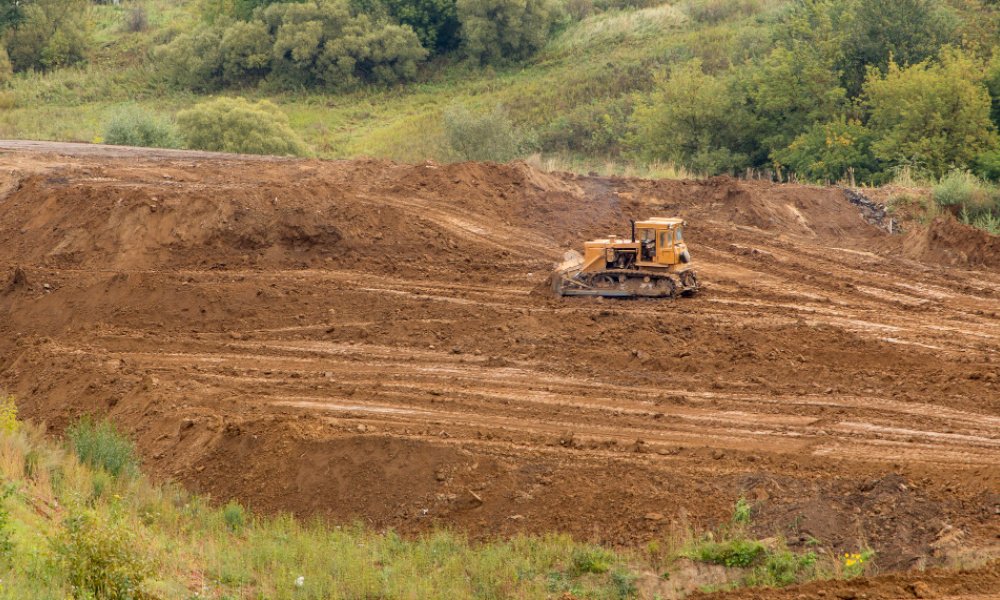
Earthwork sets the pace of an industrial project more than any other trade, and in the Colorado Springs metro the ground changes quickly. Within a short drive the terrain runs from creek bottoms and open flats to the slopes of the Palmer Divide and the base of the Rampart Range. A pad that balances cut and fill on one parcel needs imported material or off-haul on the next. We clear and mass grade industrial sites so the building pad, the truck courts and the drainage all arrive at the right grade, compacted and tested, on the date the foundations are ready.
Mass grading is more than moving dirt. It is the work of turning a survey and a geotechnical report into cut and fill volumes, haul routes, stockpile locations, compaction tests and erosion controls, then running them without losing weeks to weather. We also protect the downstream: silt fence, inlet protection and tracking pads keep a site's runoff from becoming the neighbors' problem.
Terrain from the creek bottoms to the divide
Monument sits at 6,982 feet on the southern slope of the Palmer Divide at the base of the Rampart Range, about 20 miles north of Colorado Springs. Palmer Lake marks the top of the divide, a ridge that separates the Arkansas River drainage to the south from the Platte River drainage to the north. For an earthwork contractor, that ridge is a design input: a parcel on the divide drains in a different direction from one in the south of the metro, and the receiving channels, culverts and downstream owners differ accordingly.
East of the city, Banning Lewis Ranch covers about 30,000 acres, was annexed into Colorado Springs in 1988 and was planned for up to 175,000 residents. Large tracts like that are graded in phases and blocks, and the cut and fill balance for one phase depends on what the previous phase left behind. We keep a running earthwork model so surplus from one area supplies fill for the next instead of leaving the site.
Erosion control and the neighbors
Grading disturbs the ground, and disturbed ground sheds sediment. We install perimeter controls before the first cut, maintain them through every storm and inspect them on a schedule and after heavy rain. Stabilized entrances keep mud off public roads, and concrete washout areas are sited away from drainage paths. The jurisdiction and the state set stormwater permit conditions for disturbed ground, and we prepare and follow the plan those conditions require, keeping records the owner can show.
Worker safety is equally concrete: trench and slope protection, competent-person inspections, haul-road traffic control, equipment spotters and dust control. On secured parcels we add controlled gates, equipment logs and escorted deliveries. Dust control also matters at altitude, where dry, windy days carry fines off a site quickly, so water trucks and soil binders are part of the plan, as are heavy haul access roads built to keep trucks off the soft ground.
What clearing and mass grading includes
Scope begins with clearing and grubbing, topsoil stripping and stockpiling, and removal or protection of existing structures and utilities. It continues with cut and fill to subgrade, benching on slopes, proof-rolling, undercutting of soft areas, controlled fill placement in lifts with compaction testing, and rough grading of building pads, truck courts and drainage swales. We hand the pad to the foundation crew at the tolerance the structural engineer specified.
On sites with existing slabs, tanks or buried lines, demolition and slab replacement is folded into the same schedule. Where the plan includes retention, grading is coordinated with the stormwater detention and drainage design so basins are cut to the right depth the first time.
Earthwork on the weather's calendar
Earthwork is the trade most exposed to weather. Frozen ground cannot be compacted to specification, and wet or frozen fill cannot be placed to specification at all, so the earthwork season in the Colorado Springs area has edges. We plan the large cut and fill for the dry months where we can, protect finished subgrade through winter, and schedule foundation work to follow grading closely enough that the pad does not sit open to the weather.
Hauling and imports add traffic that neighbors notice. We agree haul routes and hours with the jurisdiction, keep tracking pads and sweeping on a schedule, and balance cut and fill on site where the design allows, which holds truck trips down.
What the earthwork number is made of
Earthwork cost follows quantity, haul distance, material quality and rock. The quantity comes from the design grades, the haul distance from where surplus can go or where fill can come from, and the quality from the geotechnical report. A site that balances cut and fill is cheaper than one that must import or export, and rock or boulders found during excavation are the most common source of extra cost. Fulfillment and distribution operators, who need large flat pads, feel these costs most, which is why ecommerce fulfillment projects start with a grading review.
We price the grading with the geotechnical report open on the table, state our assumptions about rock and soft areas, and offer unit prices for the variables so the owner can see the exposure. Grading numbers feed straight into our ground-up industrial construction budgets.
Get the ground ready on time
Send the parcel, the survey and the geotechnical report. We will return a cut and fill model, a haul and erosion plan, and a grading schedule tied to your foundation start.
Common Questions
How early should grading be priced when we are choosing a site?
Before purchase, if possible. A rough cut and fill estimate from the available topographic survey and a review of the geotechnical record can show that one parcel costs substantially more to prepare than another. The estimate is not exact, but it identifies the parcels where earthwork will dominate the budget.
What happens if we hit rock or soft ground during excavation?
We pre-agree the handling in the contract. Unit prices for rock excavation, undercutting and replacement fill let both sides price the change without a dispute. We document the condition, notify the engineer and the owner, and proceed with the agreed method so the schedule keeps moving.
Can grading start before the building permit is issued?
Often yes, if the jurisdiction issues a separate grading permit and the drainage and erosion control plans are approved. This can save weeks on the schedule. We confirm the process with the building department early and sequence the submittals so grading is permitted first.
How do you control dust at altitude?
With water trucks, soil binders, limited disturbed area and attention to wind. Dry conditions and wind at altitude carry fine material quickly, so we phase clearing to expose only what we need and stabilize finished areas promptly. On sensitive sites we monitor conditions and adjust operations during high winds.