
Structural Steel Erection in Colorado Springs
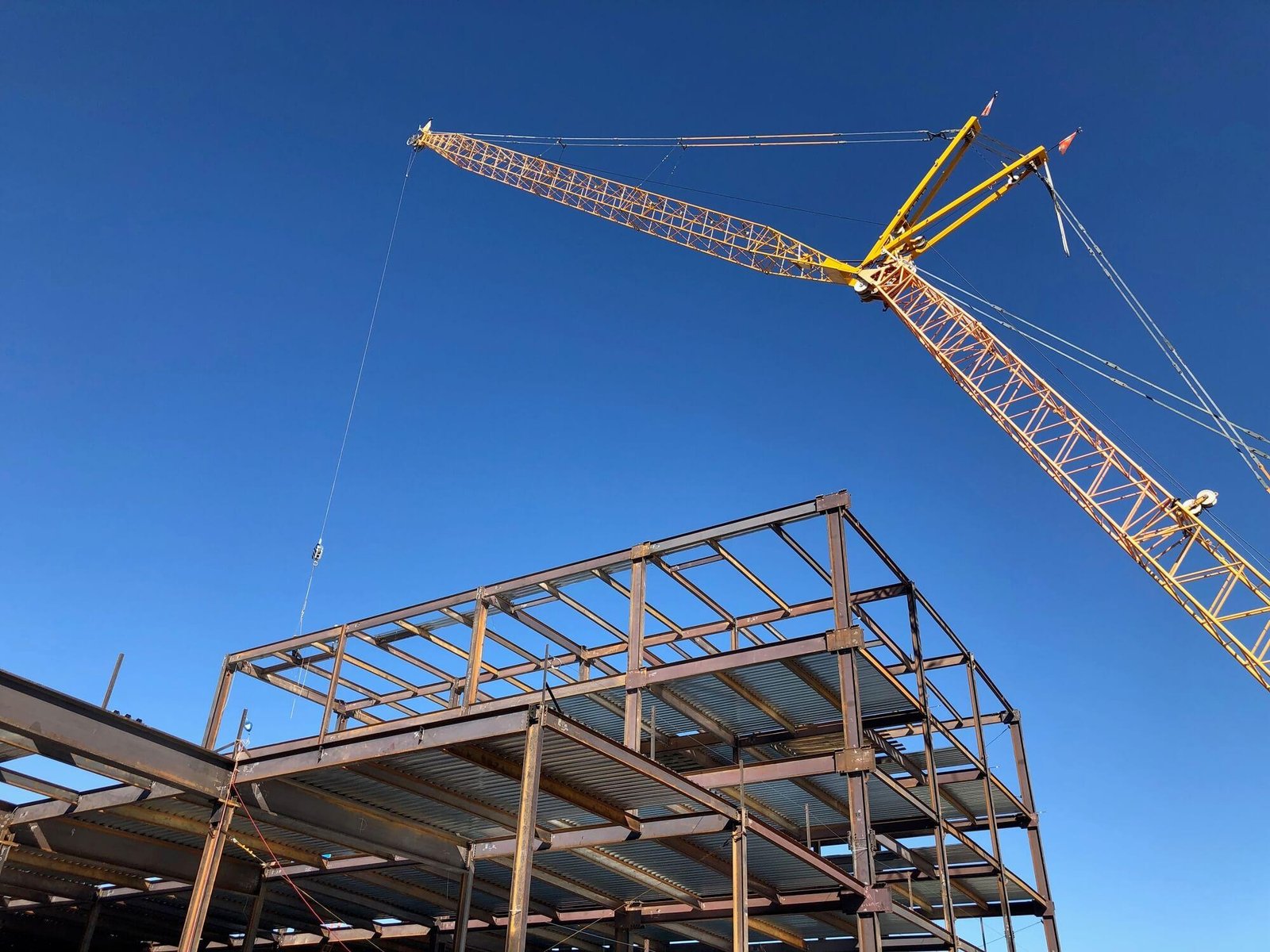
Steel arrives on a flatbed from a fabricator, and where it goes next is decided by roads: Interstate 25 carried about 8,500 vehicles per day through Colorado Springs in 1960 and an average of about 100,000 by 2005, and the delivery windows for oversize members still have to fit between commuters and freight. We erect structural steel for industrial buildings, process structures, pipe racks, mezzanines and crane-supported frames, from the first column to the final bolt torque.
Erection is a sequence of decisions made in the right order. Anchor bolts and base plates are surveyed before the first column is set, columns are plumbed and braced before beams are connected, and the frame is made stable at every stage so wind never finds an incomplete structure. In a region where afternoon gusts come off the Front Range, that discipline is not a formality. We write the erection plan to show the pick sequence, the crane positions, the temporary bracing and the stop-work wind limit.
Because many of our buyers operate secure sites, we also plan the logistics of getting steel through a gate: delivery windows, escorts, inspection of trucks and a tight laydown area. The steel is delivered when it is needed and not before, as described in our laydown yard planning.
What the Steel Package Includes
We erect columns, beams, girders, joists, joist girders, bracing, moment connections, roof deck, floor deck, stairs, ladders, handrails, platforms and miscellaneous metals. We shim and grout base plates, torque or weld connections as designed and submit the inspection reports. Field welding is performed by qualified welders and observed by the special inspector, with records maintained for the owner.
The package also covers the setting of embeds and the coordination with the concrete work so anchor bolts, plates and sleeves are in position before steel arrives. When the building includes a crane runway or monorail, we align and survey the rails to the tolerance the crane manufacturer requires, an issue we explore under high-bay crane-ready buildings.
Fall Protection, Rigging and Weather
Steel erection is among the highest-risk activities in construction, and we plan for it from the first day. Fall protection is installed with the steel, using cables, nets and tie-off points. Connectors use approved methods, rigging is inspected before each pick and the load path is planned so no one works under a suspended load.
Weather limits are written down and followed. Wind above the crane manufacturer's limit stops lifts, and ice on beams stops work until it is cleared. At altitude, temperature swings can be sudden, and a clear morning can turn into a gusty afternoon. The superintendent has the authority to stop the lift, and the schedule includes float for it.
Crews, Cranes and Controls
We keep erection crews, welders and equipment ready for industrial steel, and we bring in specialty subcontractors for very heavy lifts. Our foremen survey as they erect, because a column that is a quarter-inch out at the base can be two inches out at the top. Plumbing and aligning are done progressively, and bolts are tightened in a specified sequence.
Crane selection is a major decision. We size the crane for the heaviest pick at the longest radius, check ground bearing under the outriggers and build mats or a stabilized pad where the soil requires it. That ties the steel schedule to the access and base work we do under heavy-haul access roads.
Where Steel Gets Delivered
Deliveries from the fabricator to a site in the metro use I-25 and the Powers Boulevard expressway. State Highway 21 runs 20.245 miles from Fountain to the north side of Colorado Springs, bypassing the airport, and it is a 55 mph expressway through the east side and a 65 mph semi-freeway north of Dublin Boulevard. Oversize trucks have to plan around interchanges and turning radii: at the Air Force Academy, the I-25 widening finished in December 2014 left one exit with two roundabouts at North Gate Boulevard, which tight-turning loads must be routed around.
We map each delivery route with the carrier and verify bridge clearances and turning paths. For owners in advanced manufacturing and in metals and heavy industry, steel is the structure of their process, and the route planning is as important as the frame itself.
Steel Sequencing and Lead Times
Fabrication lead times are set by the mill and shop, and we place steel orders as soon as the design is released. Shop drawings, approvals and fabrication fit into a timeline that is often the longest in the project. We keep a log of every piece by mark number and track it from detailing to delivery, so a missing member is found on the shop floor rather than on the crane.
Erection starts when the foundations are cured and the anchor bolts are verified. A typical building goes up bay by bay, with decking and bracing following the frame closely so the structure is always stable. Roof and wall systems can follow in an overlapped schedule that cuts weeks from the project.
Services That Surround Steel
Steel rarely arrives alone. It is paired with a pre-engineered metal building for a lighter frame, or with mezzanines, catwalks and platforms inside a plant. Both rely on the same erection discipline, with different connections and tolerances.
We coordinate the package with the foundations, the floor and the envelope so each trade finds the structure ready for its work.
Sequence the Steel With the Site
Send the structural drawings and the foundation schedule, and we will return an erection plan, a crane layout and a delivery calendar.
Common Questions
How do you protect against wind during erection?
We follow the crane manufacturer's wind limits, brace the frame as it rises and stop lifts when gusts exceed the plan. Temporary bracing is designed for the partial structure, not just the finished one. The superintendent has authority to stop work without discussion.
Who is responsible for the anchor bolts?
Placement is the concrete contractor's responsibility, and verification before erection is ours. We survey bolt locations and elevations after the pour and report any deviation to the engineer before setting steel. Fixing a bolt after the fact is far easier before the columns arrive.
How long does steel erection take for a typical industrial building?
Duration depends on tonnage, crane access and weather. A building of moderate size can be erected in a few weeks after foundations are ready, with decking following. We provide a bay-by-bay schedule in the proposal.
Can you work with steel supplied by the owner?
Yes, if the shop drawings, delivery dates and inspection reports are available. We check the delivered steel against the drawings, report shortages or damage and erect it as supplied. Responsibility for fabrication errors stays with the fabricator.